

Mesothelioma Causes and Treatments
The doctors can treat mesothelioma using chemotherapy, radiation or surgery. These treatments can improve symptoms and prolong the duration of survival.
Pleurodesis is a procedure that doctors use to prevent fluid from building up around the lung. This treatment isn't a cure for cancer, but it may alleviate the pain and improve breathing.
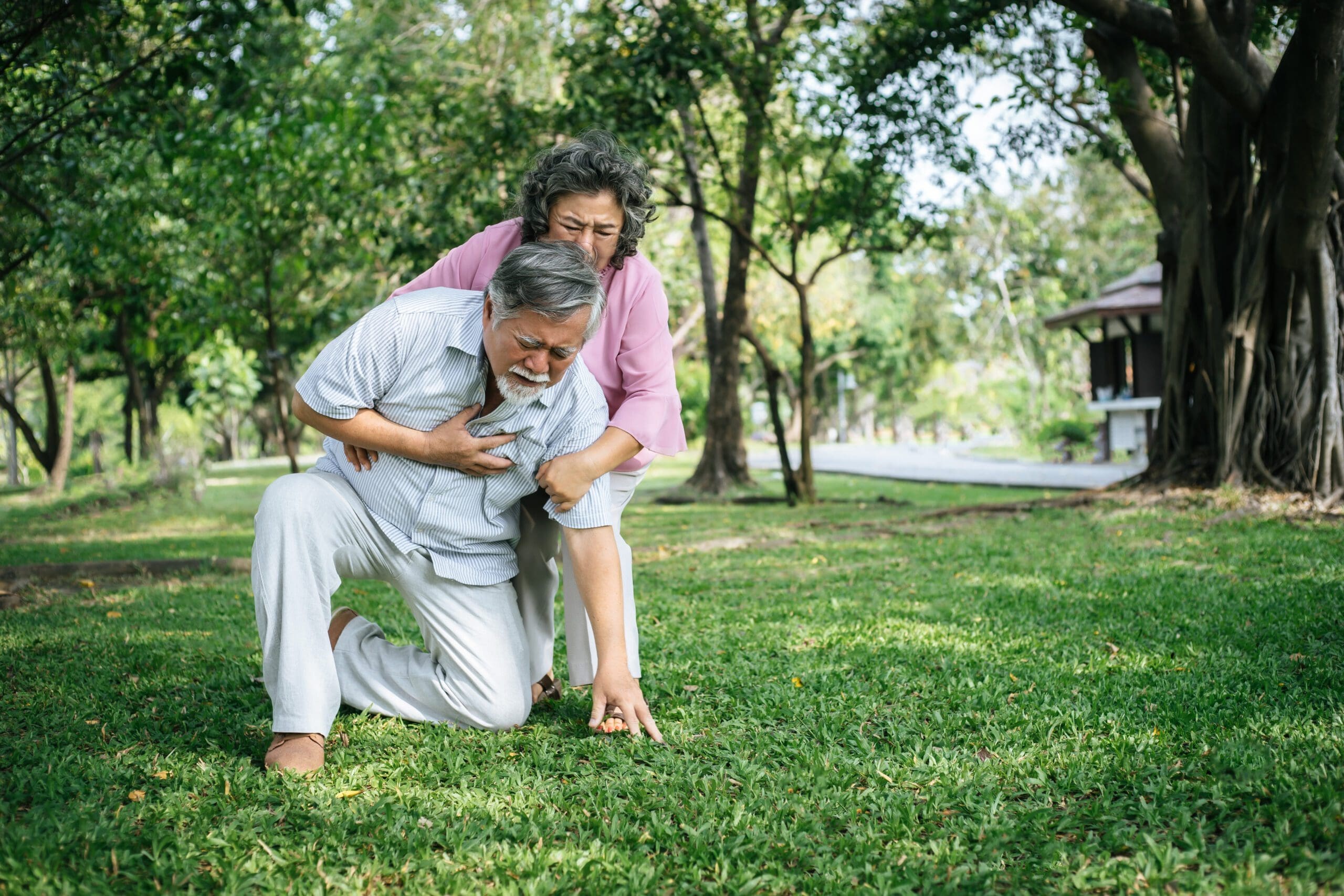
Workplace exposure
Mesothelioma can be triggered by exposure to asbestos, a group of minerals that contain microscopic fibres that were once used widely in the construction industry. The exposure is usually at work, but it could also happen at home or while moving or repairing older structures. Mesothelioma can develop over many years, and symptoms might not manifest until later on.
The linings around organs are referred to as mesothelium. There are two types of mesothelioma: pleural mesotheliom that is found in the lungs, and peritoneal peritoneal peritoneal peritoneal peritoneal peritoneal. Some cases of mesothelioma develop within the membrane that surrounds the heart or the testes.
The most commonly used mesothelioma form, occupational mesothelioma, is the most common. It is most common in occupations such as manufacturing, ship building, and construction. Veterans of the United States Armed Forces are at risk of mesothelioma due to their asbestos exposure.
Cancer can spread to other areas of the body. The symptoms can include a constant, painful cough, chest pain and difficulty breathing. Mesothelioma is diagnosed using X-rays and CT scans. Tests for blood are also used. Blood tests search for mesothelin-related proteins (SMRP), which is released by the mesothelioma cells. It can assist doctors to make a diagnosis.
Researchers are working on developing ways to diagnose mesothelioma at its early stages which makes it easier to treat. This includes a specific type of PET scan that utilizes radioactive tracer to find out how mesothelioma is spreading and how fast it is growing.
If a patient exhibits signs of Mesothelioma, they should immediately consult their GP or a specialist in the hospital. They will refer the patient for further tests in order to determine if mesothelioma is present and determine how far it has been able to spread. These tests could include chest X-rays, CT scanners and MRIs, as well as ultrasounds. Blood tests are able to detect soluble mesothelin protein which is a chemical released by mesothelioma cancer cells that are dying. This can be found in the blood of those who have mesothelioma. It can aid doctors in making the diagnosis.
Genetics
Many people with mesothelioma have a family history of asbestos exposure or cancer. It is possible that mesothelioma may be a result of genetic mutations. It is not clear what causes the initial mutations that lead to mesothelioma. Researchers are looking into whether existing mutations in the DNA of people are caused by exposure to asbestos or other causes.
Mesothelioma is a rare form of cancer that affects the cells that comprise the mesothelium. The mesothelium is a layer of tissue, surrounds and protects a variety of internal organs including the heart and lungs. It also protects the abdomen and stomach. Mesothelioma most often occurs in the pleura, an elastomer that covers the lungs and chest cavity, or the peritoneum, a membrane that protects the abdominal organs. Mesothelioma can also be found in the lining of testicles (tunica vaginalis) or in the sac that surrounds the lungs and heart (pericardium).
A genetic mutation is a change to the normal function of a gene. The mutation can prevent the gene from working or cause it to work more quickly. If a person has one working copy of a gene, and one copy that is mutated that is dominant, they are said to have a mutation. If they have two copies of the gene mutated and two copies of the mutated gene, they are thought to have a recessive mutation.
The majority of mesothelioma cases are an array of genetic and environmental risk factors. However, some patients with mesothelioma have no known risk factors and do not develop the cancer. In these instances, it is likely that the cancer was triggered by inherited mutations that were triggered by asbestos or other environmental factors.
Researchers have discovered that the genes for mesothelioma can be passed down from parents to their children. This is called mesothelioma that is inherited or familial.
Scientists have discovered that the BRCA-associated protein 1 (BAP1) gene as well as the neurofibromatosis type 2 (NF2) gene are frequently mutations in mesothelioma patients. When these genes are functioning correctly, they block the growth of cancer cells. Mutations can cause cancer cells to grow and multiply faster than normal cells. Additionally a gene called large tumor suppressor homolog 2 (LATS2) is often shortened or altered in mesothelioma patients.
causes of mesothelioma other than asbestos is a major reason for mesothelioma, accounting for more than 80 percent of all cases. Exposure can occur in different ways. The majority of people who develop mesothelioma were exposed to asbestos. Others get it through secondhand exposure, or living in a home that contains the carcinogen.
Asbestos is a collection of minerals that produce thin, strong fibres. It is utilized in different products because of its fire resistance and durability. Asbestos was widely used in insulation, construction, and other products up until it was banned in the United States. It was also heavily employed by the military, especially in shipbuilding and other types of blue-collar jobs. This occupational exposure is the majority of mesothelioma cases, particularly pleural mesothelioma. In certain cases, asbestos deposits found in the soil can trigger mesothelioma. Secondhand exposure can also cause it, like inhaling particles from clothing or hair.
It could take between 20 and 60 years for mesothelioma to develop It is therefore crucial to understand your history of exposure. Even if asbestos was only used for a short time, you should speak to your doctor about the risk of mesothelioma.
Researchers have discovered that although asbestos is the most common cause of mesothelioma but there are other factors that can increase a person's risk. One of these is having a virus named SV40 (simian virus 40) in your body. This virus is connected to mesothelioma due to the fact that it occurs during the time when mesothelioma is developing.
Other possible risk factors include having a family member who worked with asbestos, certain types of lung cancers, and rheumatoid arthritis. These risk factors aren't as well-established, however, as asbestos exposure. Even if you have a few of these risk factors, it doesn't mean you'll develop mesothelioma. Only half of people diagnosed with mesothelioma are believed to be at risk. Still, knowing the risks can help you to stay safe and make healthy decisions in your life. You should also talk to your doctor about mesothelioma and other health issues that could be a concern.
Smoking
Smoking cigarettes can cause a variety of health problems such as bronchitis and lung cancer. Smoking can also increase the chance of developing mesothelioma. This is especially true for those who have been exposed to asbestos. Asbestos fibres can cause lung damage and make it difficult for you to breathe.
Mesothelioma is a form of cancer, grows on the organs' linings. It may begin in the tissue layers that surround each lungs (pleural mesothelioma) or in the tissue lining the abdomen or chest wall (peritoneal mesothelioma).
Asbestos exposure is a major cause of mesothelioma, and it is typically an occupational exposure. Asbestos is a class of naturally fibrous minerals which were once utilized in a variety industrial, commercial and military applications.
Asbestos was found to have fire-resistant properties. It was a well-known building material, and is still used today in automobiles, ships, and even in buildings. It was also used as a fireproof insulation as well as in brakes, shingles, flooring and other household products. Asbestos is divided into subgroups according to the type of fibers: chrysotile, amphibole, and Crocidolite have straight fibers, whereas amosite and crocidolite have curly fibers.
People who are exposed to asbestos can develop mesothelioma as the asbestos fibres get into the lungs where they can become lodged in the pleura. This causes genetic mutations that can lead to cancer. Mesothelioma can also be spread when asbestos fibres are carried into the home on clothing, where they may be inhaled by family members.
Mesothelioma symptoms are usually not apparent until the disease reaches an advanced stage. At this stage of the disease mesothelioma has a higher chance to cause persistent cough or abdominal pain, as well as breathing problems. Other symptoms include hoarseness as well as weight loss.
Even after mesothelioma is diagnosed, smoking can be a significant risk factor. It can slow the recovery process and make it difficult to breathe, as it can cause irritation to the lungs. It can also trigger respiratory problems like COPD which can cause wheezing and shortness of breath, and tightness in the chest.